Escribe sin mirar el teclado.
Al tacto, no a la vista. 5 minutos al día, lecciones guiadas dedo a dedo y una velocidad real que notarás la semana que viene.
Todo lo que necesitas para ganar velocidad
Cada tecla lleva el color del dedo que debe pulsarla, así que la memoria muscular correcta se forma desde la primera lección.
El motor observa tus teclas débiles y reconstruye cada lección en torno a las que te están frenando.
Las lecciones te entrenan para confiar en tus dedos en lugar de mirar abajo: de eso trata TypeBlind.
PPM, precisión, mapas de calor por tecla y un calendario de práctica, todo registrado con el tiempo en tu perfil.
Desbloquea hitos y mantén viva tu racha diaria: pequeñas victorias que hacen que cinco minutos al día se queden.
Compárate con la clasificación mundial en cada distribución y cada tipo de texto.
Compite escribiendo, en directo.
Entra en una carrera multijugador en tiempo real, consigue tu propio número de piloto y adelanta pulsación limpia a pulsación limpia. Cada errata te cuesta metros: la precisión gana carreras.
Entrar en una carrera
Fácil de empezar, difícil de dejar
- 1Elige tu distribución
QWERTY, Dvorak, Colemak y más de 90 más, en 47 idiomas. Trae la tuya o diseña una a medida.
- 2Practica cinco minutos
Lecciones adaptativas y guiadas dedo a dedo que atacan tus puntos débiles en vez de repetir lo que ya dominas.
- 3Compite y mide el avance
Reta a otros en carreras en tiempo real y mira cómo suben tu velocidad, tu precisión y tus rachas semana tras semana.
Guías basadas en estudios para escribir más rápido
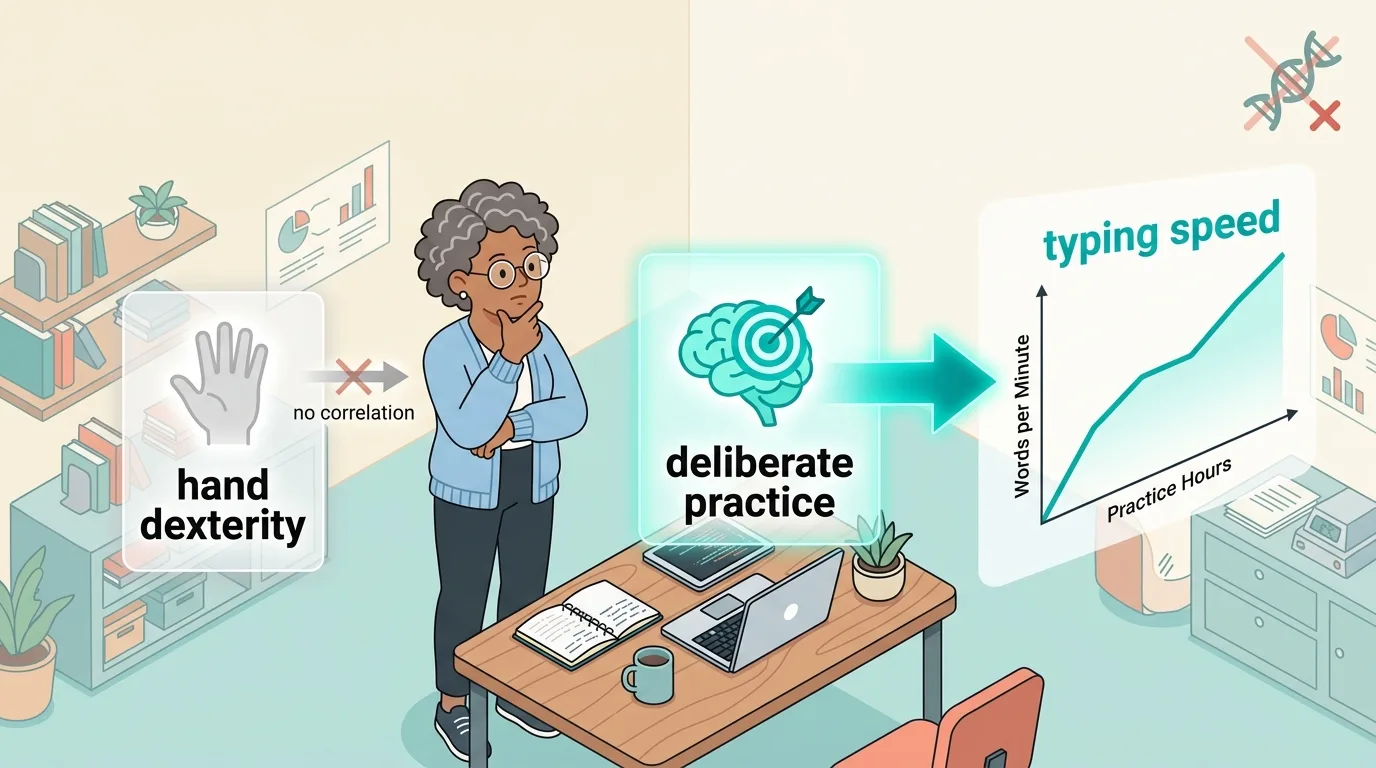 Is There Such a Thing as Natural Typing Talent?If you've ever watched someone type without even looking and assumed they were just born with it, two independent studies say otherwise. Here's what actually predicts typing speed - and it isn't your hands.
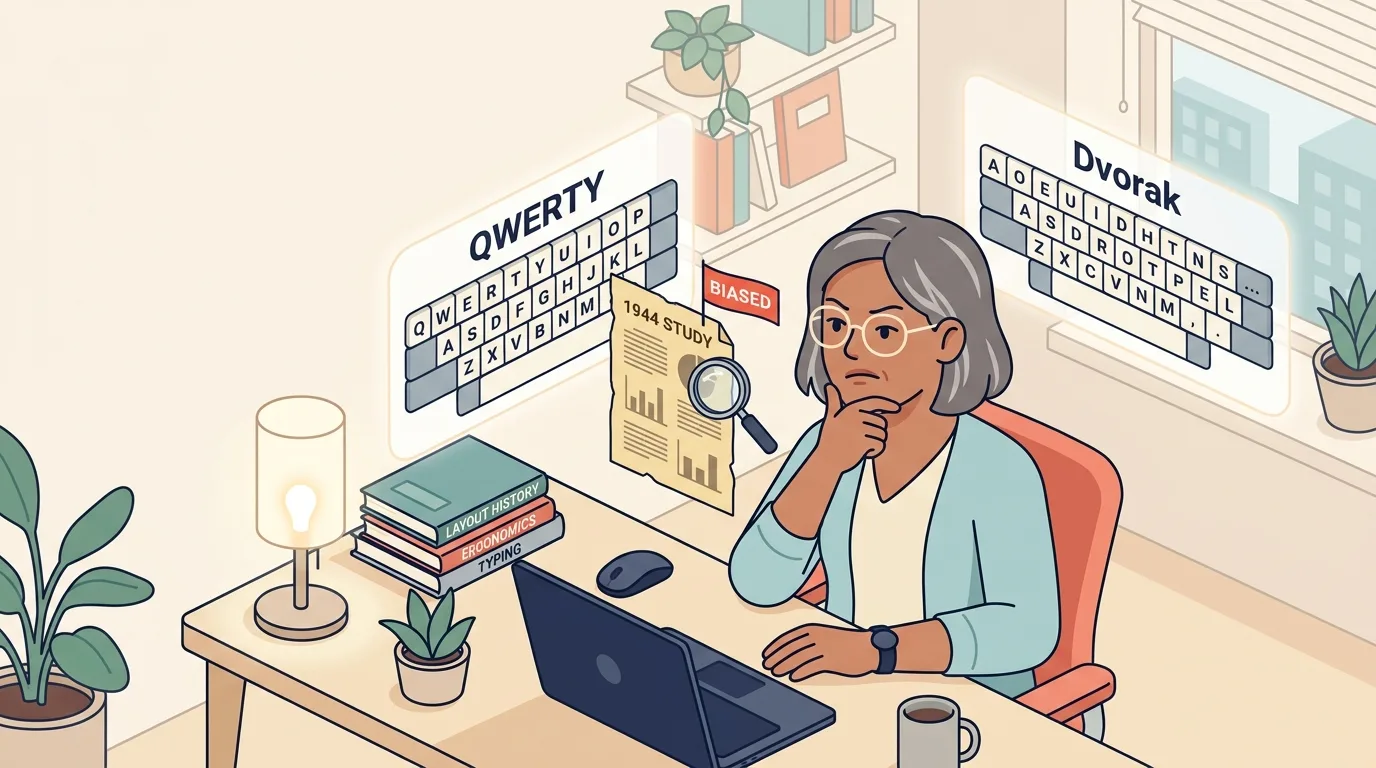 Dvorak vs QWERTY: Is Switching Worth It If You Already Type Fast?The claim that Dvorak types faster than QWERTY comes from a 1944 study run by the man who patented Dvorak. Here's what happened when an independent government study checked his math - and what real people who switched actually report.
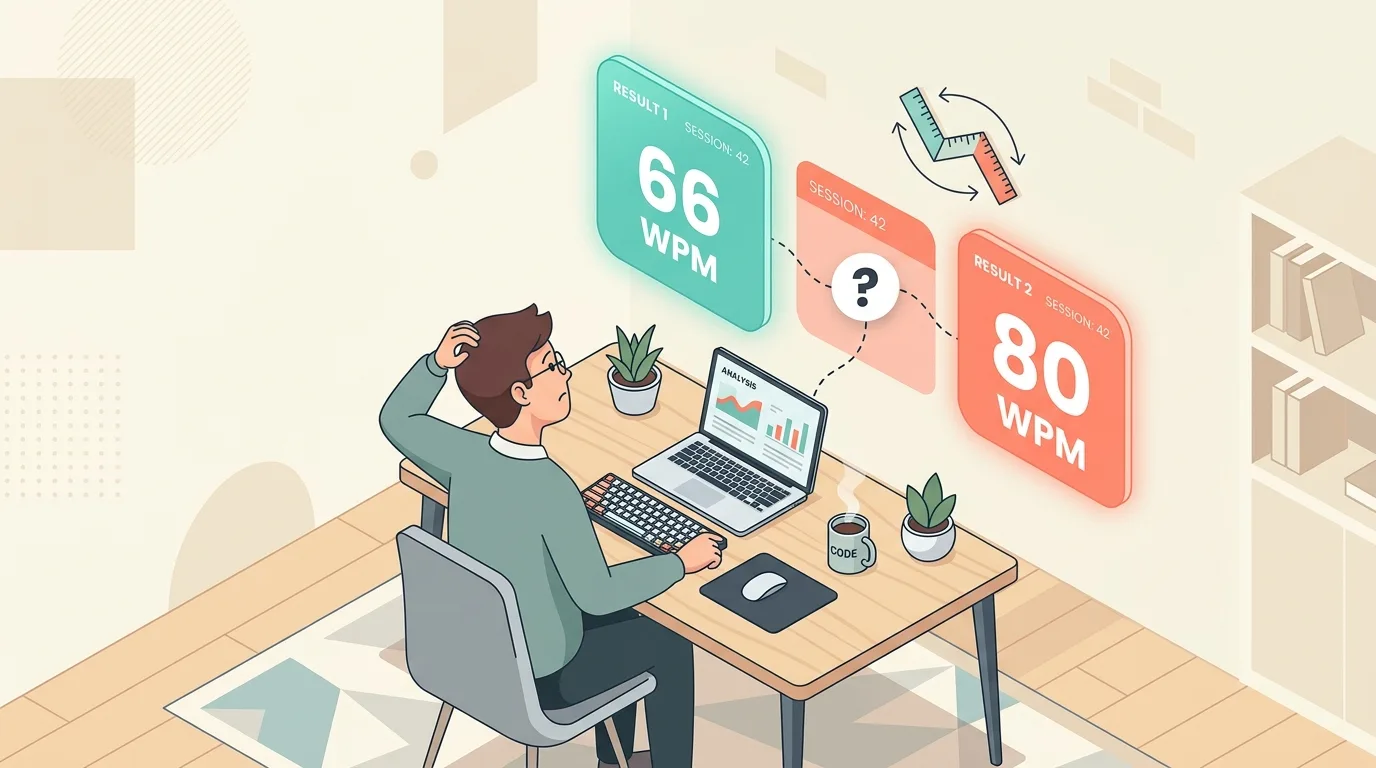 Why Your Typing Test Score Changes Every Time You Take OneScore 80 on one typing test and 60 on another? Your fingers didn't change - the math behind the number did. Here's what a typing test actually measures, why different sites disagree, and how to read your own score honestly.
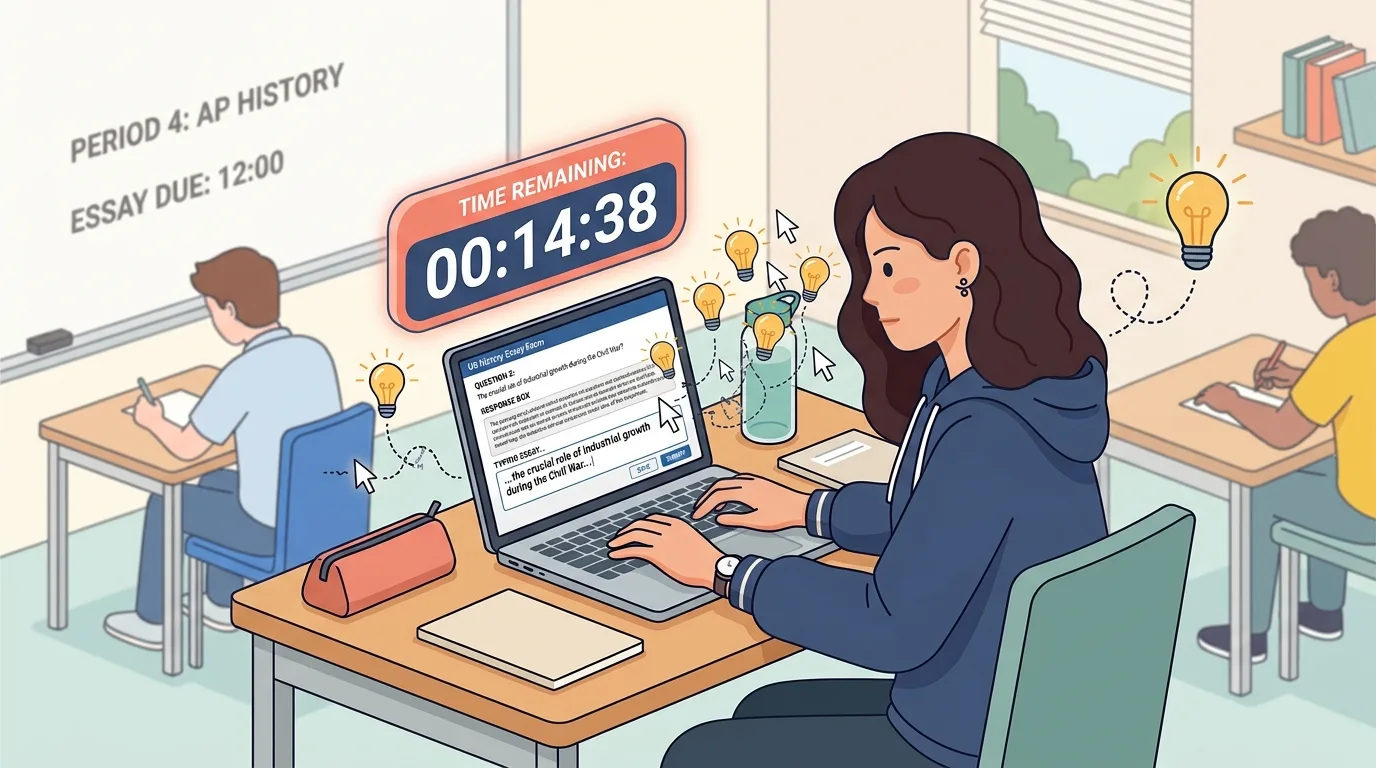 How Fast You Need to Type for Your 2026 AP Exam EssayMost AP exams are now typed, not handwritten, and the clock does not care how well you know the material. This guide walks through how much of your essay time actually goes to typing, how to work out your own target speed, and a practice plan for the weeks before exam day.
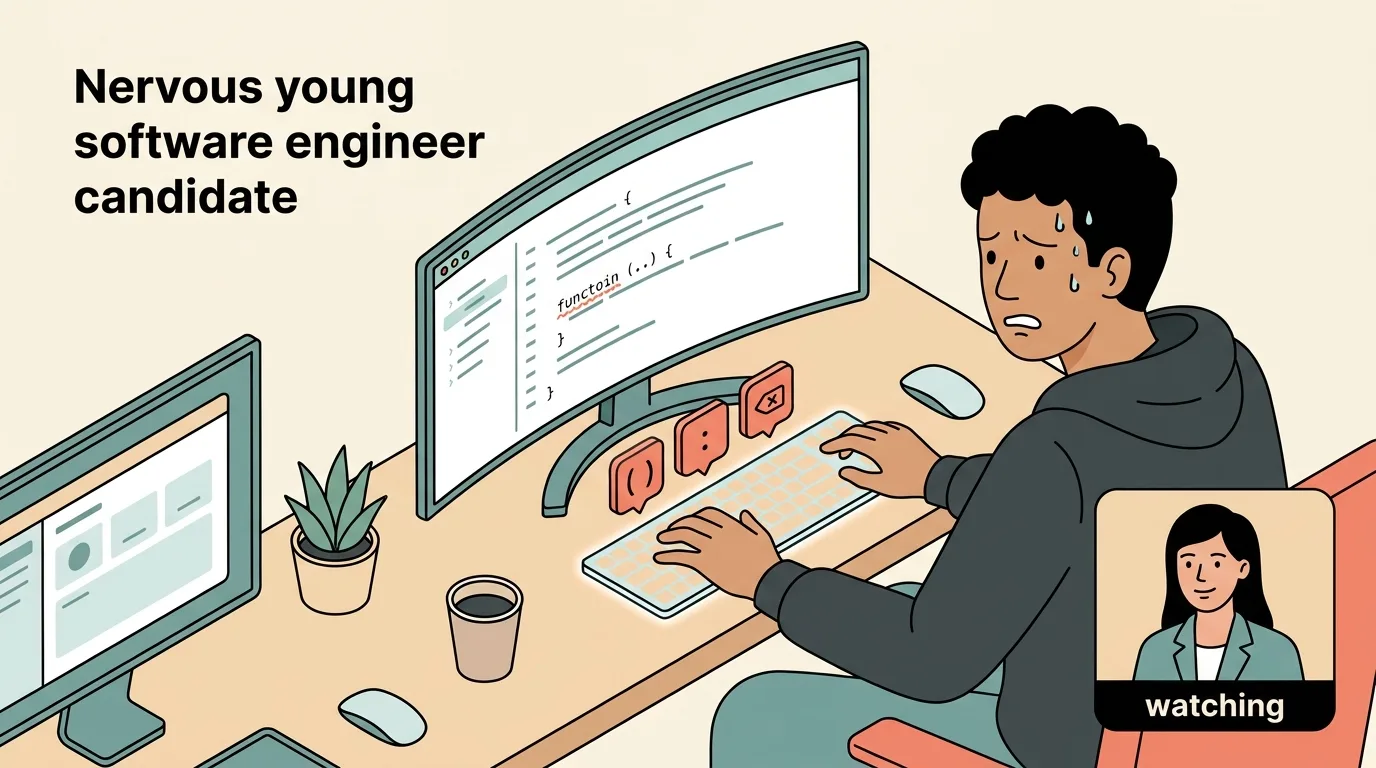 How to Practice Typing Before a Live Coding InterviewA typo during a live coding interview is not the same as a typo at your desk - someone is watching it happen, and it can end up in the replay. Here is what the research and mock-interview data actually say about typing and interview performance, and a realistic week of practice built around it.
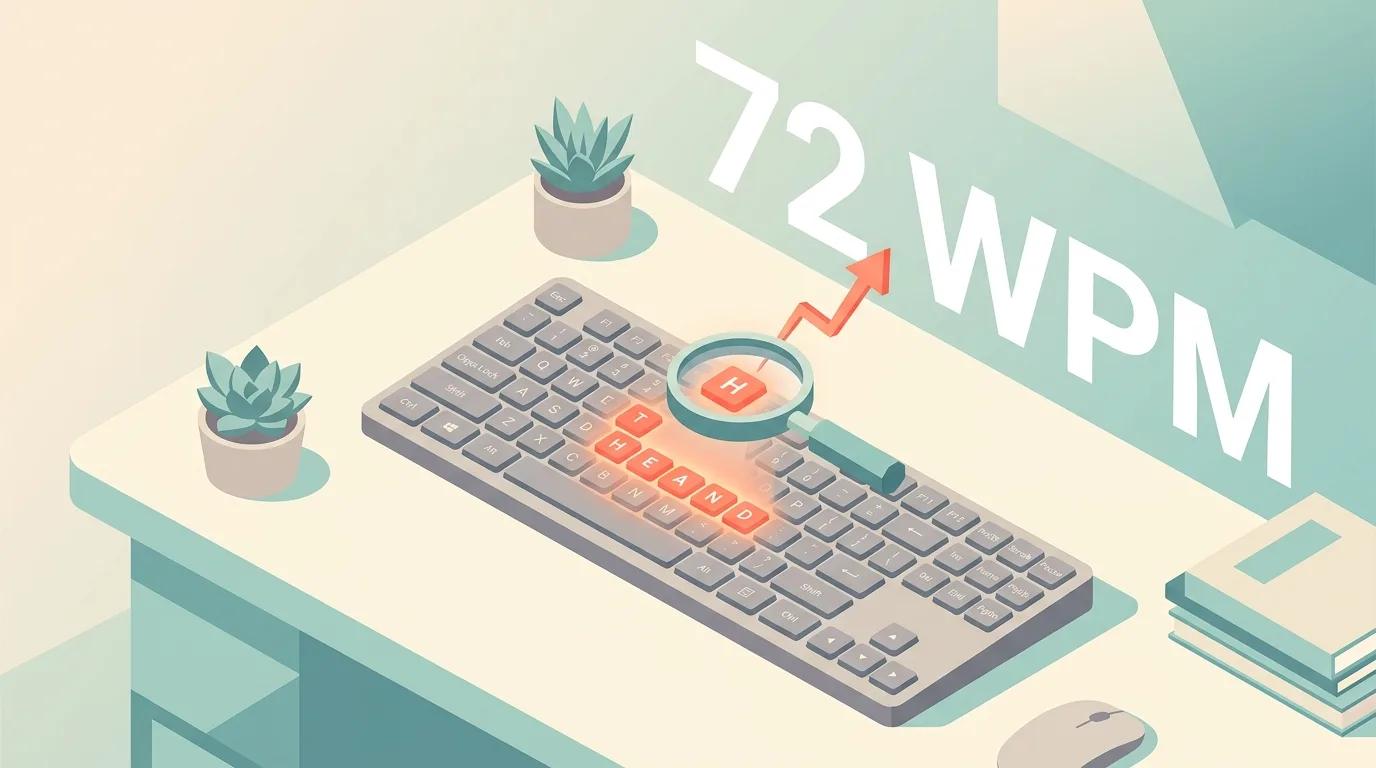 Why Fixing Your Weak Keys Beats More Typing PracticeMost people who quit typing practice are not lazy - their progress was invisible. Here is what the research actually says about why targeted practice on your own weak keys works when generic drills do not, and how to build a realistic first week around it.
 How Much Your Typing Speed Really Improves in a WeekTyping sites love round numbers like 30 WPM in two weeks, with no source behind any of them. Here's what motor-learning research and a 168,000-person keystroke dataset actually say about how much your typing speed improves in the first week.
 Hunt-and-Peck Typing Cost: How Many Hours You Really LoseTyping with two or four fingers while watching the keyboard has a real, calculable cost in hours a year - not just a vague sense that you're slower. Here's a transparent version of that hunt-and-peck typing cost calculation, and why a popular typing calculator gives you a different number.
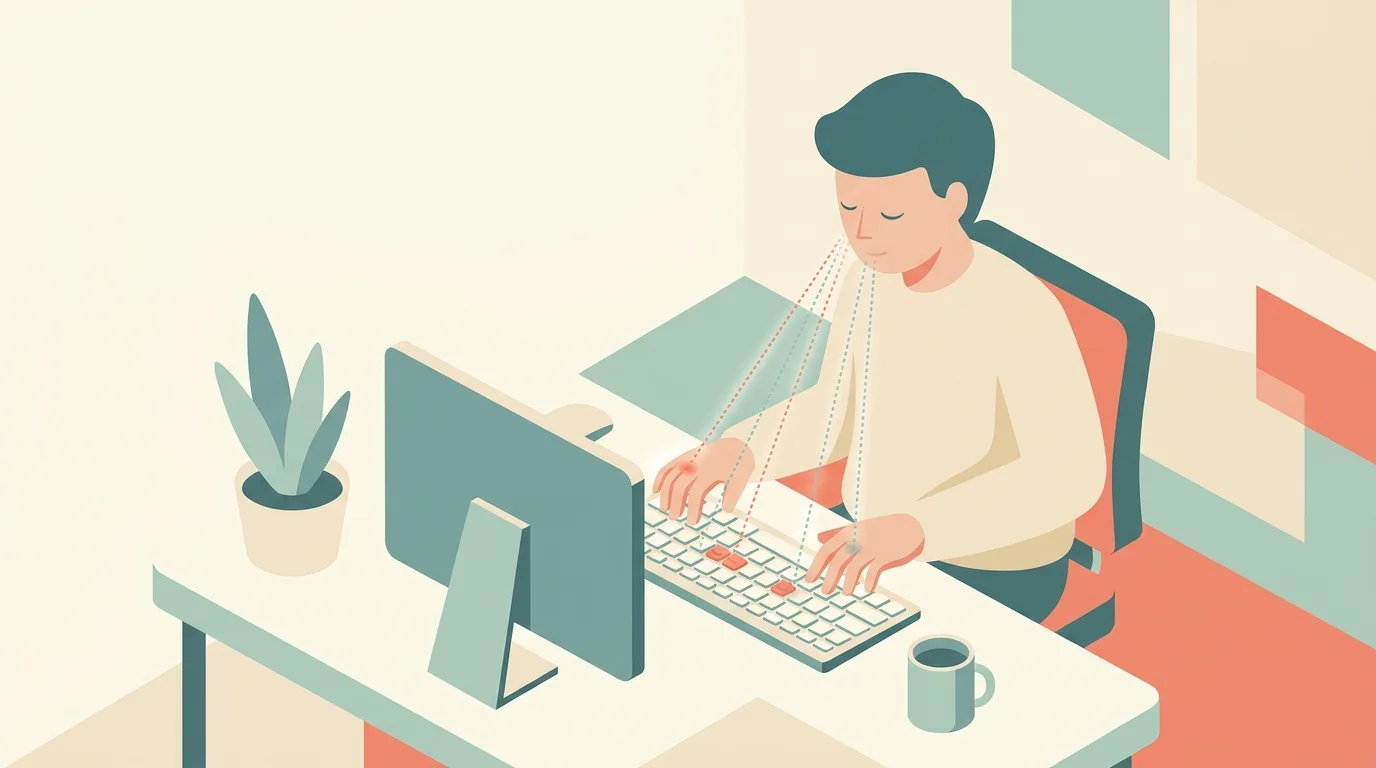 Touch Typing Without Looking at the Keyboard: Why It's HardMost pages promise you'll stop looking at the keyboard in 2-4 weeks, with no source for that number anywhere. Here's the actual mechanism behind typing without looking, drawn from real keyboard research, and a realistic picture of how long it takes.
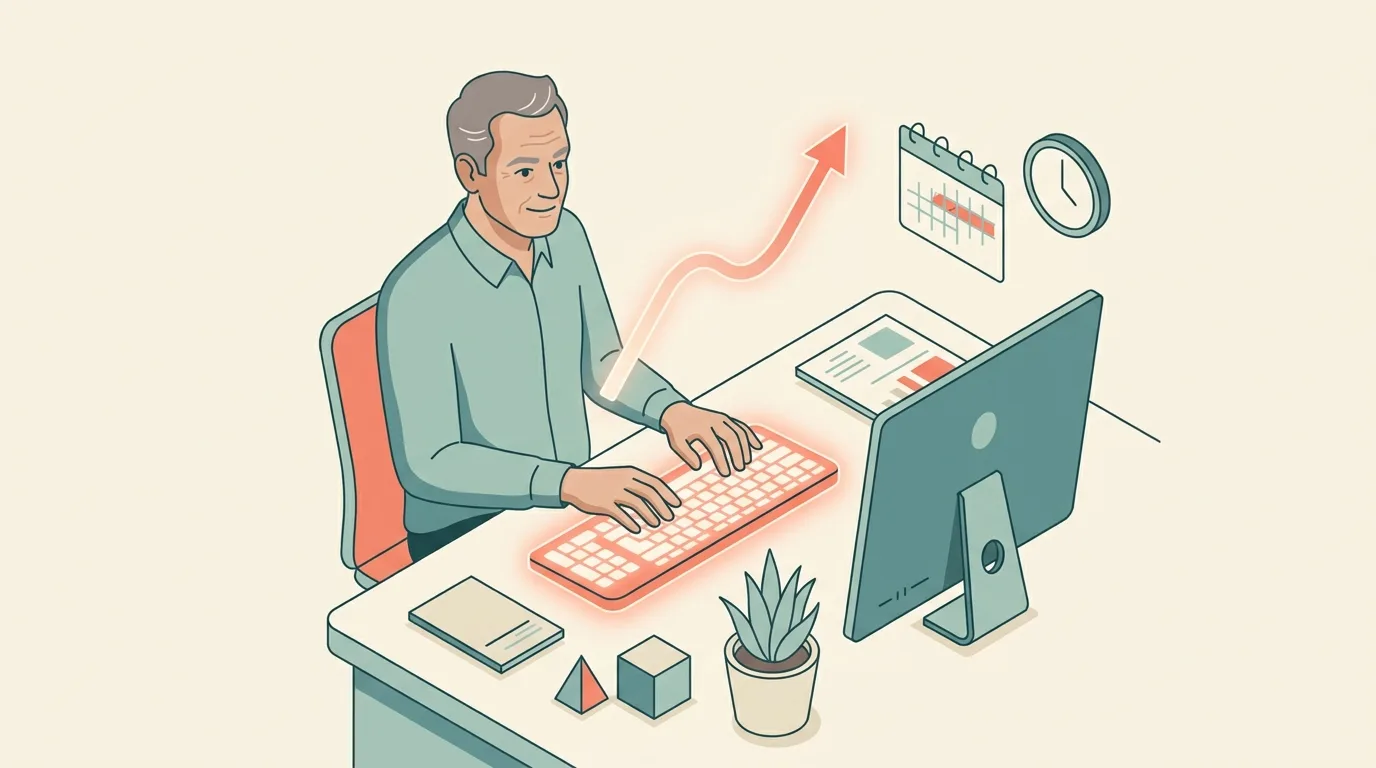 Is It Too Old to Learn Touch Typing at 40, 50, or 60?Is it too old to learn touch typing at 40, 50, or 60? A 10,613-person study shows speed does decline with age, but not the way most people assume. Here is the actual curve, and what to do about it starting today.
¿Listo para escribir sin mirar?
Es gratis, funciona en tu navegador y la primera lección dura dos minutos.
Empezar gratis