Tapez sans regarder le clavier.
Au toucher, pas à l'œil. 5 minutes par jour, des leçons guidées doigt par doigt et une vitesse réelle que vous verrez dès la semaine prochaine.
Tout ce qu'il faut pour aller vite
Chaque touche porte la couleur du doigt qui doit la frapper : la bonne mémoire musculaire se met en place dès la première leçon.
Le moteur surveille vos touches faibles et reconstruit discrètement chaque leçon autour de celles qui vous ralentissent.
Les leçons vous entraînent à faire confiance à vos doigts plutôt qu'à jeter un œil en bas : c'est tout l'objet de TypeBlind.
MPM, précision, cartes de chaleur par touche et calendrier d'entraînement, tout est suivi dans la durée sur votre profil.
Débloquez des jalons et gardez votre série quotidienne en vie : de petites victoires qui ancrent cinq minutes par jour.
Mesurez-vous au classement mondial, sur chaque disposition et chaque type de texte.
La frappe en course, en direct.
Lancez-vous dans une course multijoueur en temps réel, recevez votre propre numéro de pilote et prenez l'avantage frappe après frappe. Chaque faute coûte des mètres : la précision gagne les courses.
Rejoindre une course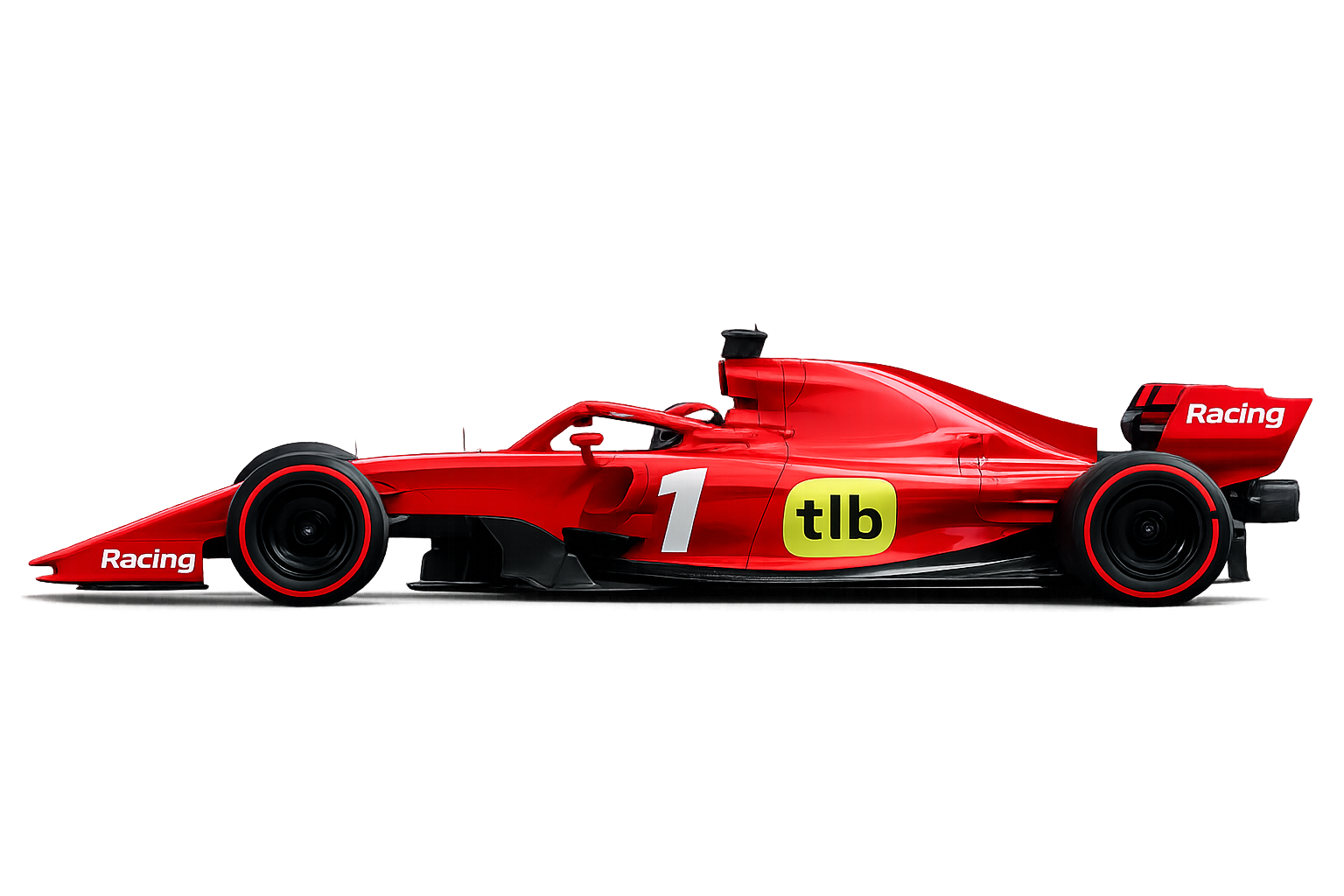
Vite commencé, difficile à lâcher
- 1Choisissez votre disposition
AZERTY, QWERTY, Dvorak, Colemak et plus de 90 autres, en 47 langues. Importez la vôtre ou créez-en une.
- 2Pratiquez cinq minutes
Des leçons adaptatives et guidées doigt par doigt qui visent vos points faibles au lieu de répéter ce que vous savez déjà.
- 3Courez et suivez vos progrès
Défiez d'autres joueurs en temps réel et regardez votre vitesse, votre précision et vos séries grimper semaine après semaine.
Des guides fondés sur la recherche pour taper plus vite
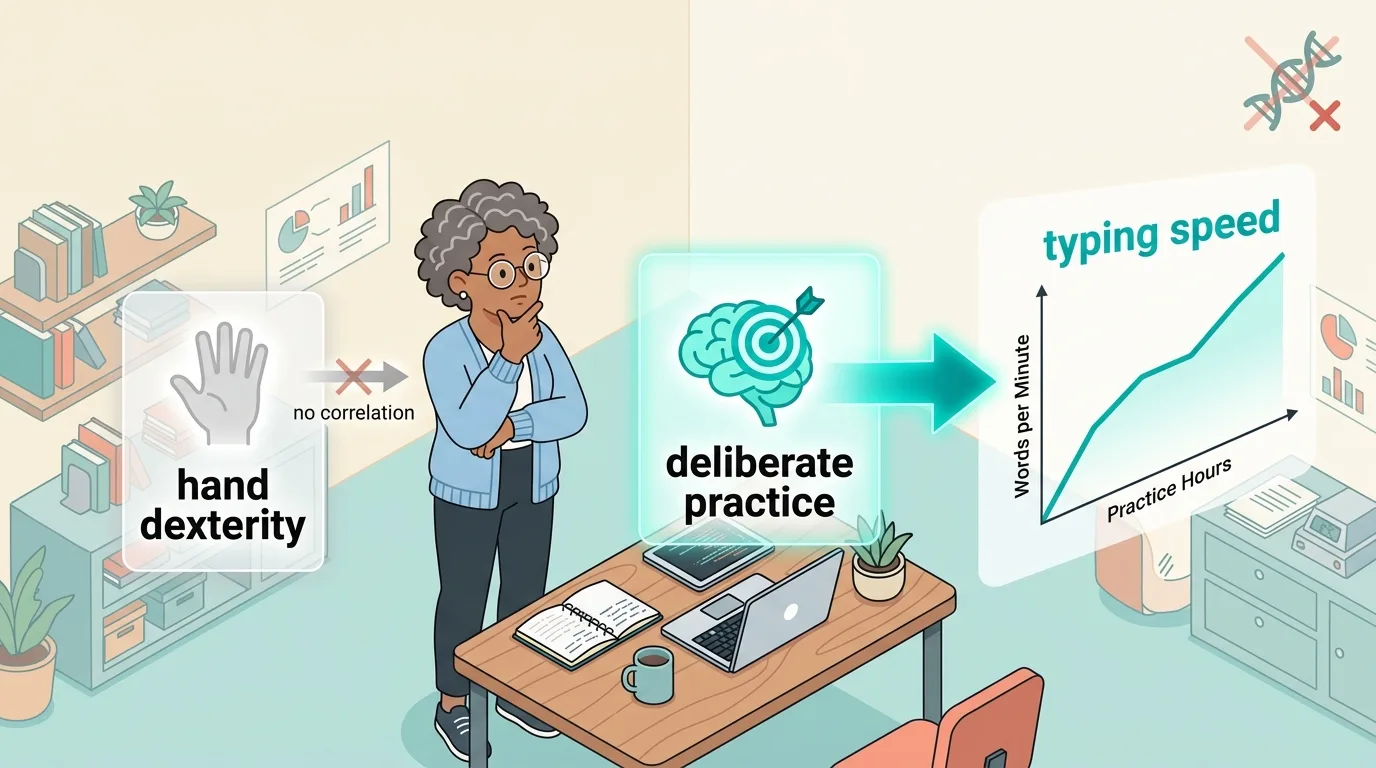 Is There Such a Thing as Natural Typing Talent?If you've ever watched someone type without even looking and assumed they were just born with it, two independent studies say otherwise. Here's what actually predicts typing speed - and it isn't your hands.
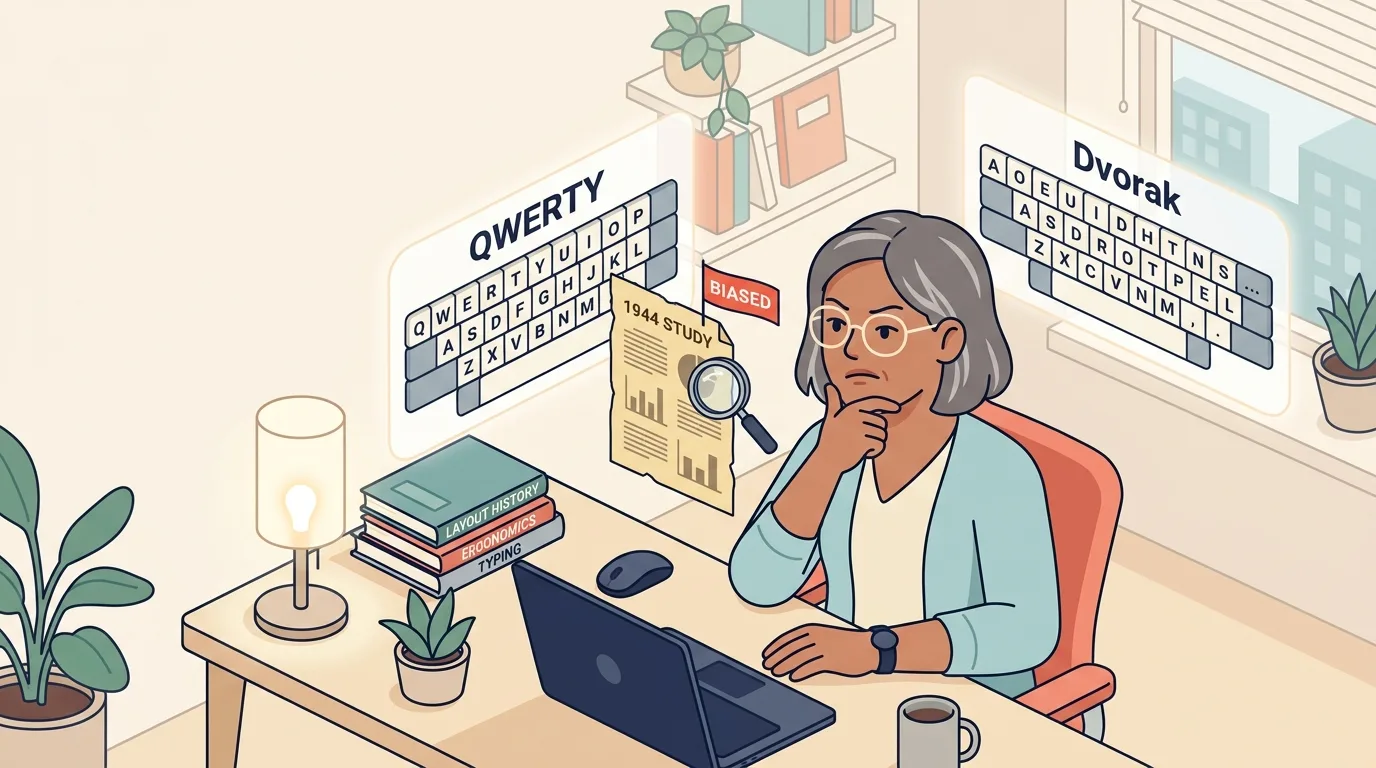 Dvorak vs QWERTY: Is Switching Worth It If You Already Type Fast?The claim that Dvorak types faster than QWERTY comes from a 1944 study run by the man who patented Dvorak. Here's what happened when an independent government study checked his math - and what real people who switched actually report.
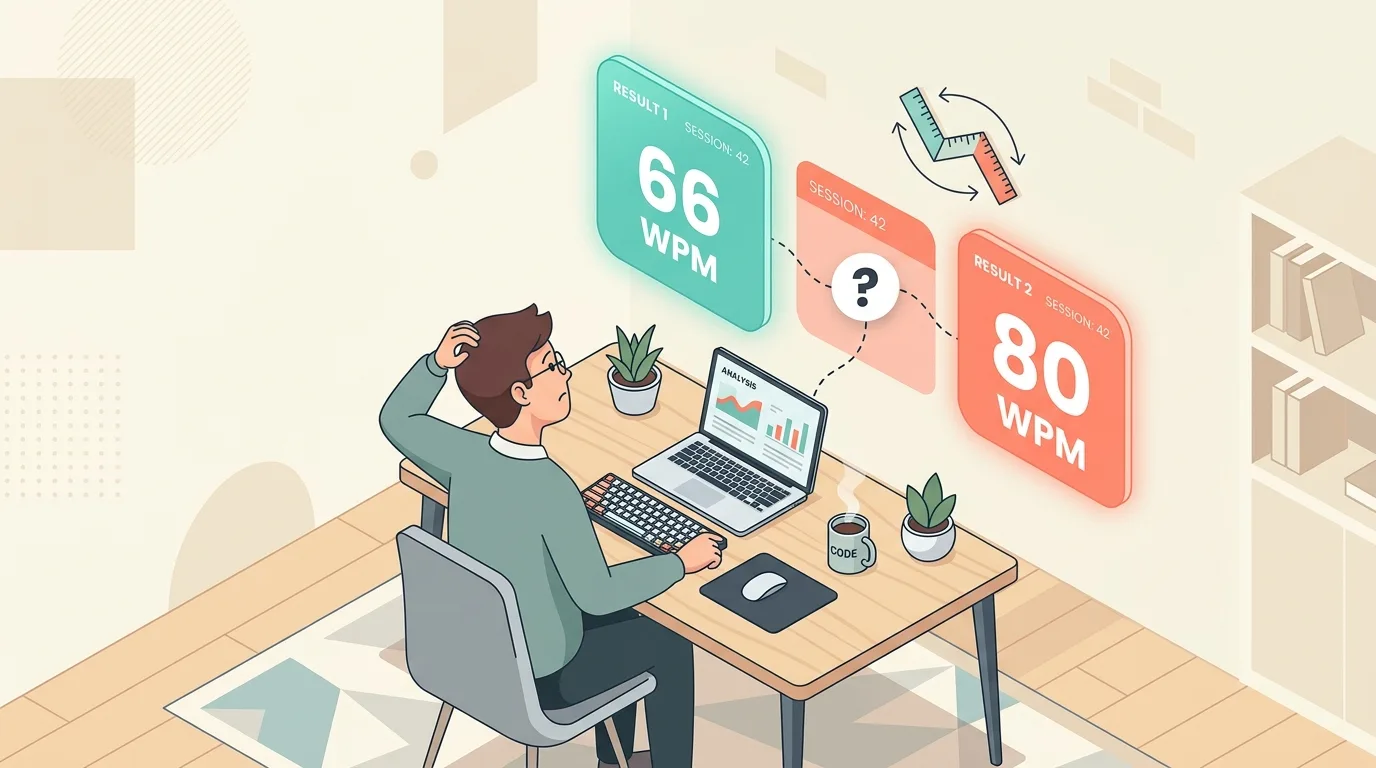 Why Your Typing Test Score Changes Every Time You Take OneScore 80 on one typing test and 60 on another? Your fingers didn't change - the math behind the number did. Here's what a typing test actually measures, why different sites disagree, and how to read your own score honestly.
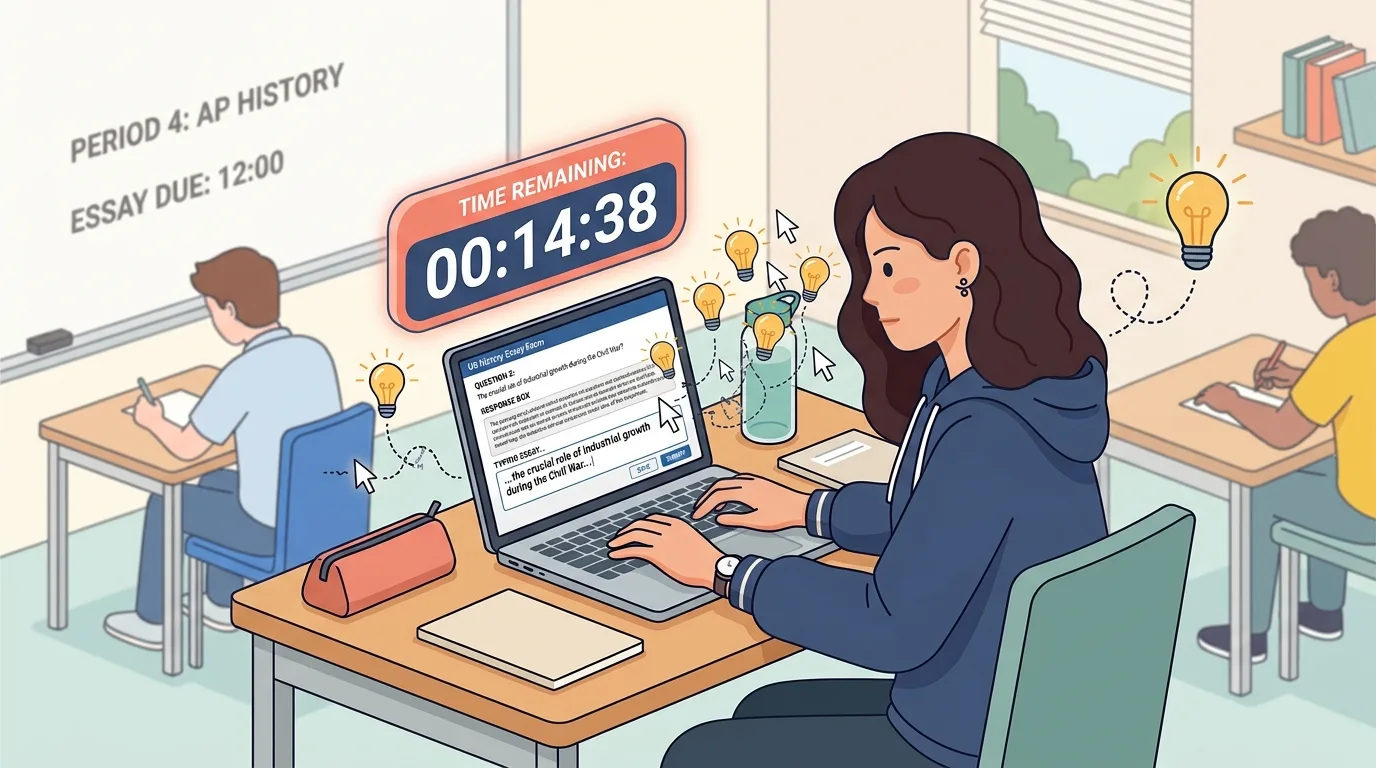 How Fast You Need to Type for Your 2026 AP Exam EssayMost AP exams are now typed, not handwritten, and the clock does not care how well you know the material. This guide walks through how much of your essay time actually goes to typing, how to work out your own target speed, and a practice plan for the weeks before exam day.
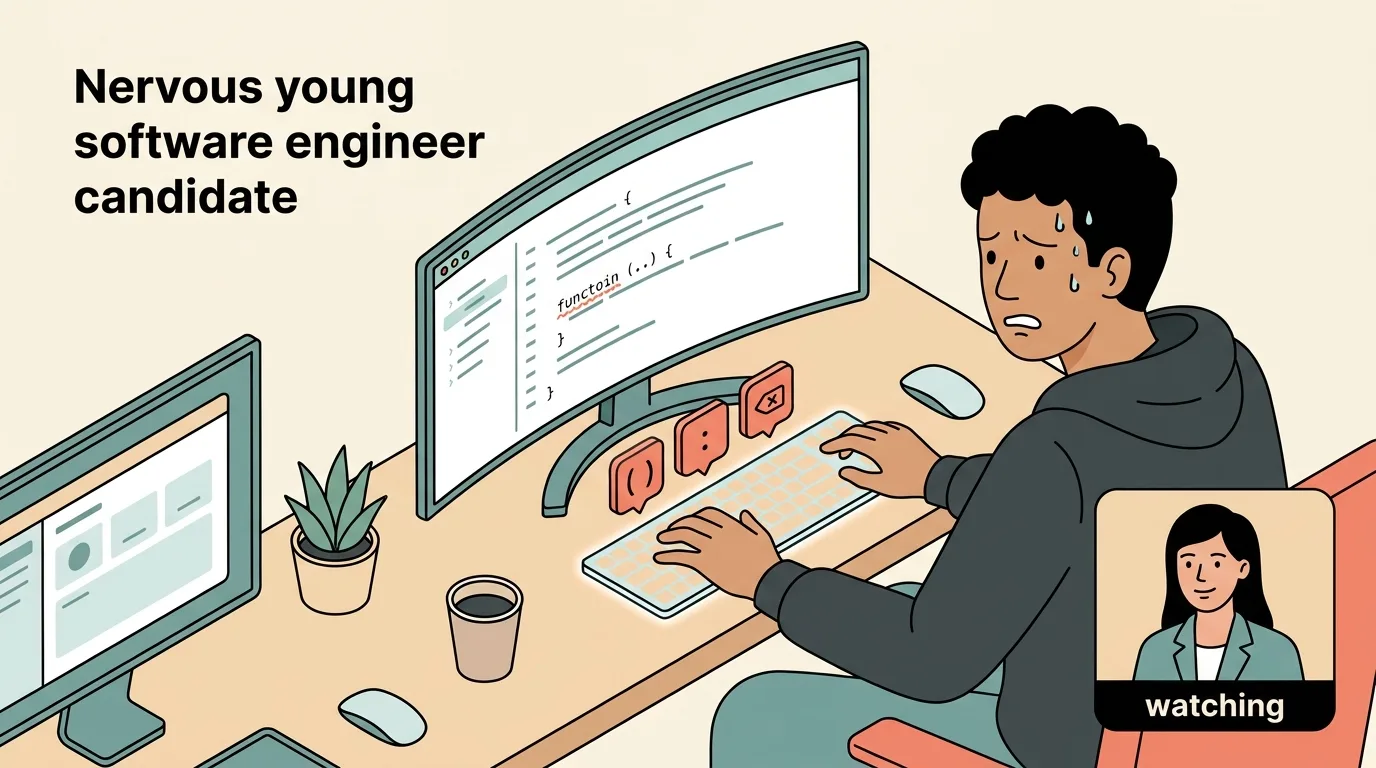 How to Practice Typing Before a Live Coding InterviewA typo during a live coding interview is not the same as a typo at your desk - someone is watching it happen, and it can end up in the replay. Here is what the research and mock-interview data actually say about typing and interview performance, and a realistic week of practice built around it.
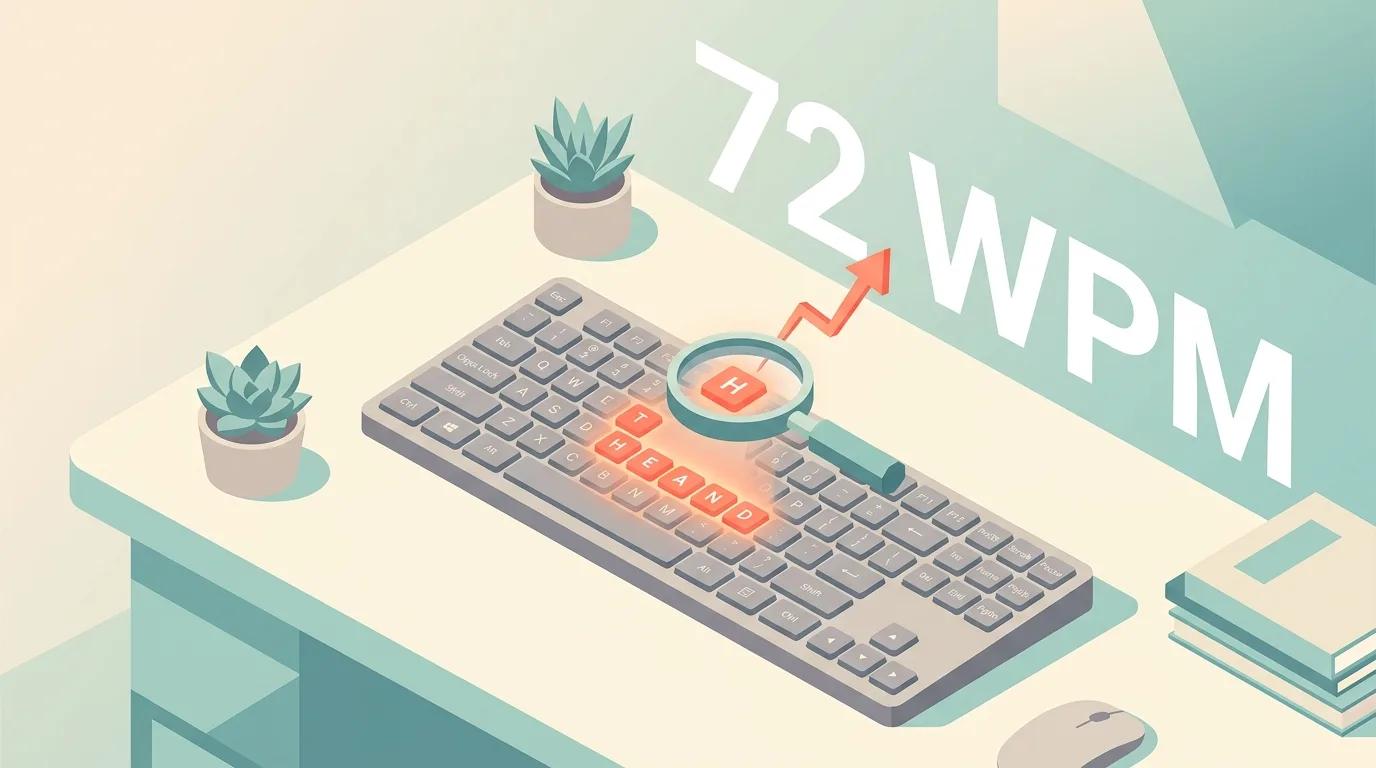 Why Fixing Your Weak Keys Beats More Typing PracticeMost people who quit typing practice are not lazy - their progress was invisible. Here is what the research actually says about why targeted practice on your own weak keys works when generic drills do not, and how to build a realistic first week around it.
 How Much Your Typing Speed Really Improves in a WeekTyping sites love round numbers like 30 WPM in two weeks, with no source behind any of them. Here's what motor-learning research and a 168,000-person keystroke dataset actually say about how much your typing speed improves in the first week.
 Hunt-and-Peck Typing Cost: How Many Hours You Really LoseTyping with two or four fingers while watching the keyboard has a real, calculable cost in hours a year - not just a vague sense that you're slower. Here's a transparent version of that hunt-and-peck typing cost calculation, and why a popular typing calculator gives you a different number.
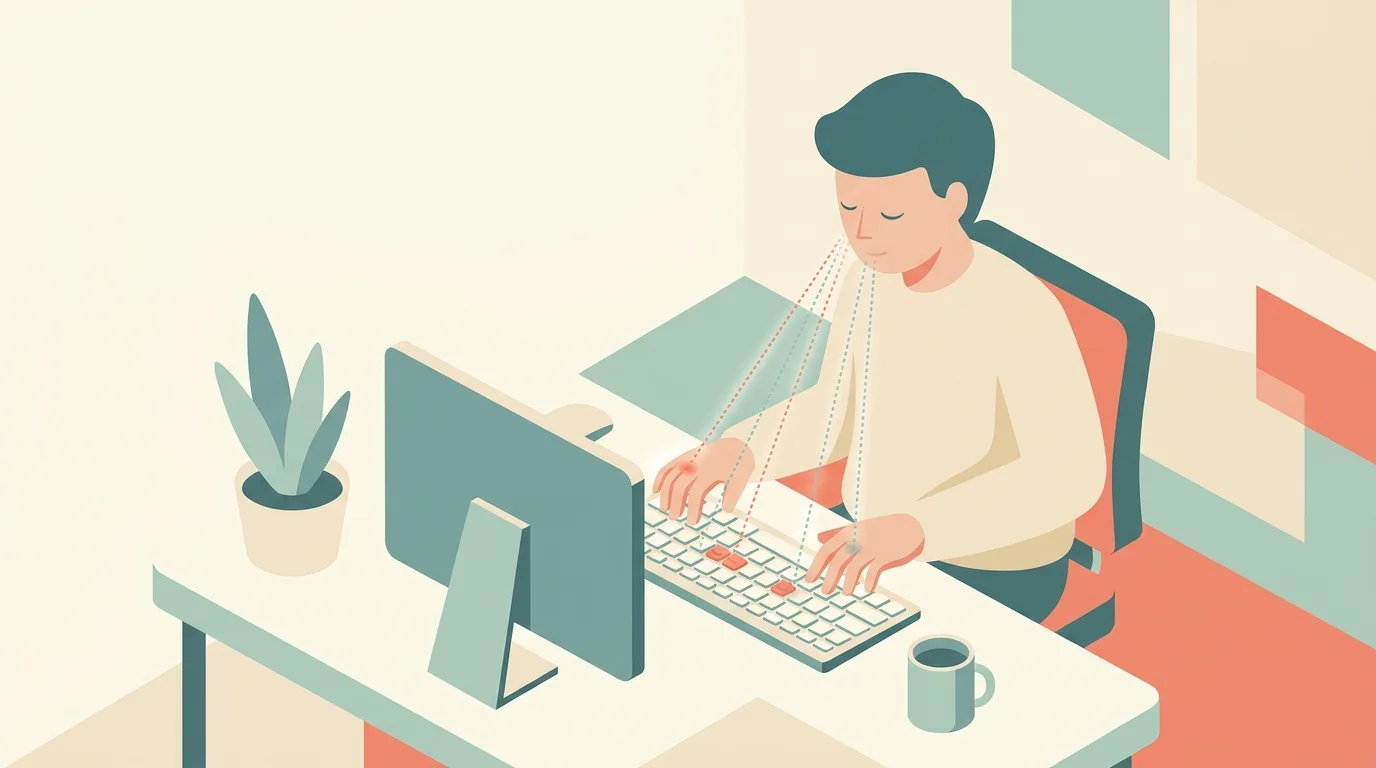 Touch Typing Without Looking at the Keyboard: Why It's HardMost pages promise you'll stop looking at the keyboard in 2-4 weeks, with no source for that number anywhere. Here's the actual mechanism behind typing without looking, drawn from real keyboard research, and a realistic picture of how long it takes.
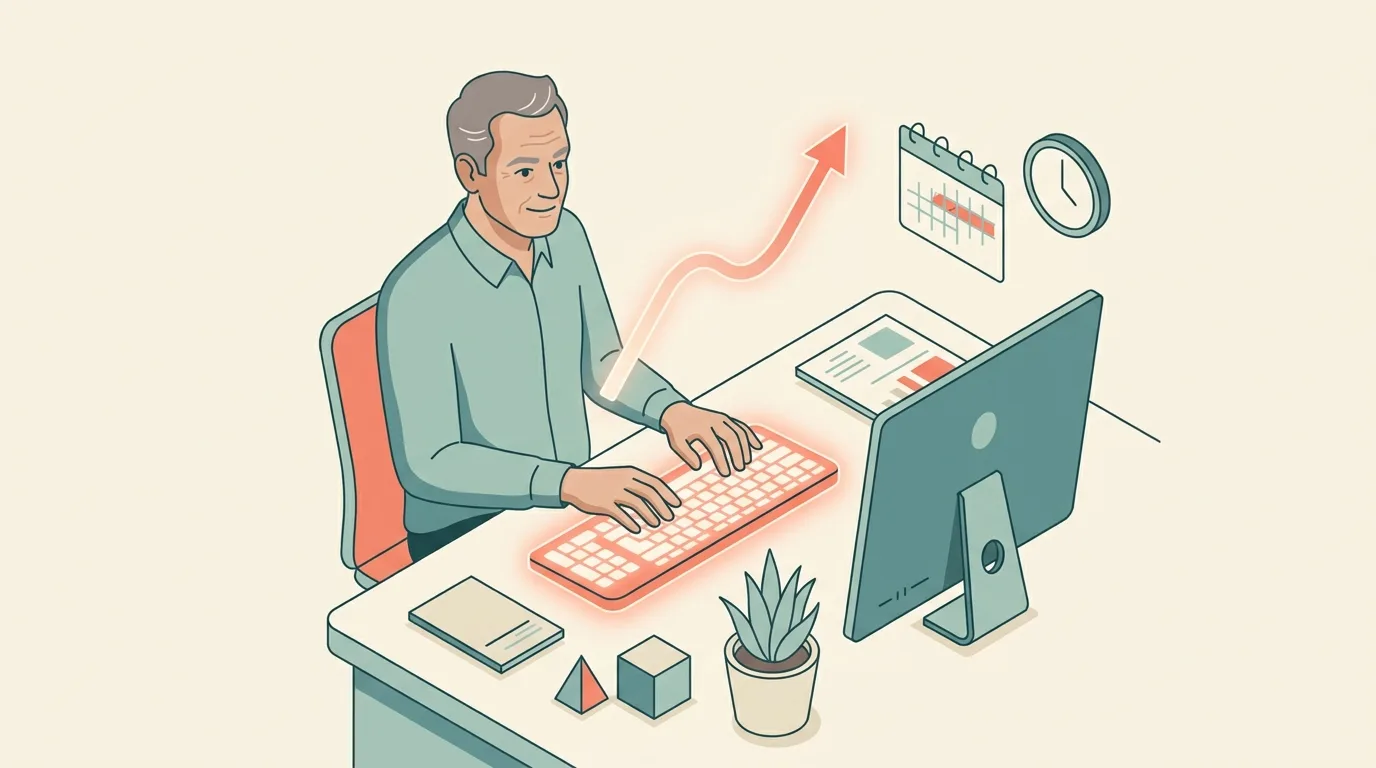 Is It Too Old to Learn Touch Typing at 40, 50, or 60?Is it too old to learn touch typing at 40, 50, or 60? A 10,613-person study shows speed does decline with age, but not the way most people assume. Here is the actual curve, and what to do about it starting today.
Prêt à taper sans regarder ?
C'est gratuit, ça tourne dans votre navigateur, et la première leçon prend deux minutes.
Commencer gratuitement