Scrivi senza guardare la tastiera.
Al tatto, non a vista. 5 minuti al giorno, lezioni guidate dito per dito e una velocità reale che noterai già la settimana prossima.
Tutto quello che serve per diventare veloce
Ogni tasto ha il colore del dito che deve premerlo, così la memoria muscolare giusta si forma dalla prima lezione.
Il motore osserva i tuoi tasti deboli e ricostruisce ogni lezione attorno a quelli che ti rallentano.
Le lezioni ti allenano a fidarti delle dita invece di guardare in basso: è esattamente il punto di TypeBlind.
PPM, precisione, mappe di calore per tasto e un calendario di pratica, tutto registrato nel tempo sul tuo profilo.
Sblocca traguardi e tieni viva la serie quotidiana: piccole vittorie che rendono stabili cinque minuti al giorno.
Mettiti alla prova con la classifica mondiale, su ogni layout e ogni tipo di testo.
La tua digitazione diventa gara, dal vivo.
Entra in una gara multigiocatore in tempo reale, ricevi il tuo numero di pilota e guadagna terreno un tasto pulito alla volta. Ogni errore ti costa metri: la precisione vince le gare.
Entra in gara
Facile iniziare, difficile smettere
- 1Scegli il layout
QWERTY, Dvorak, Colemak e oltre 90 altri, in 47 lingue. Porta il tuo o creane uno su misura.
- 2Esercitati cinque minuti
Lezioni adattive e guidate dito per dito, che colpiscono i tuoi punti deboli invece di ripetere ciò che sai già.
- 3Gareggia e misura i progressi
Sfida altri in gare in tempo reale e guarda velocità, precisione e serie salire settimana dopo settimana.
Guide basate sulla ricerca per scrivere più velocemente
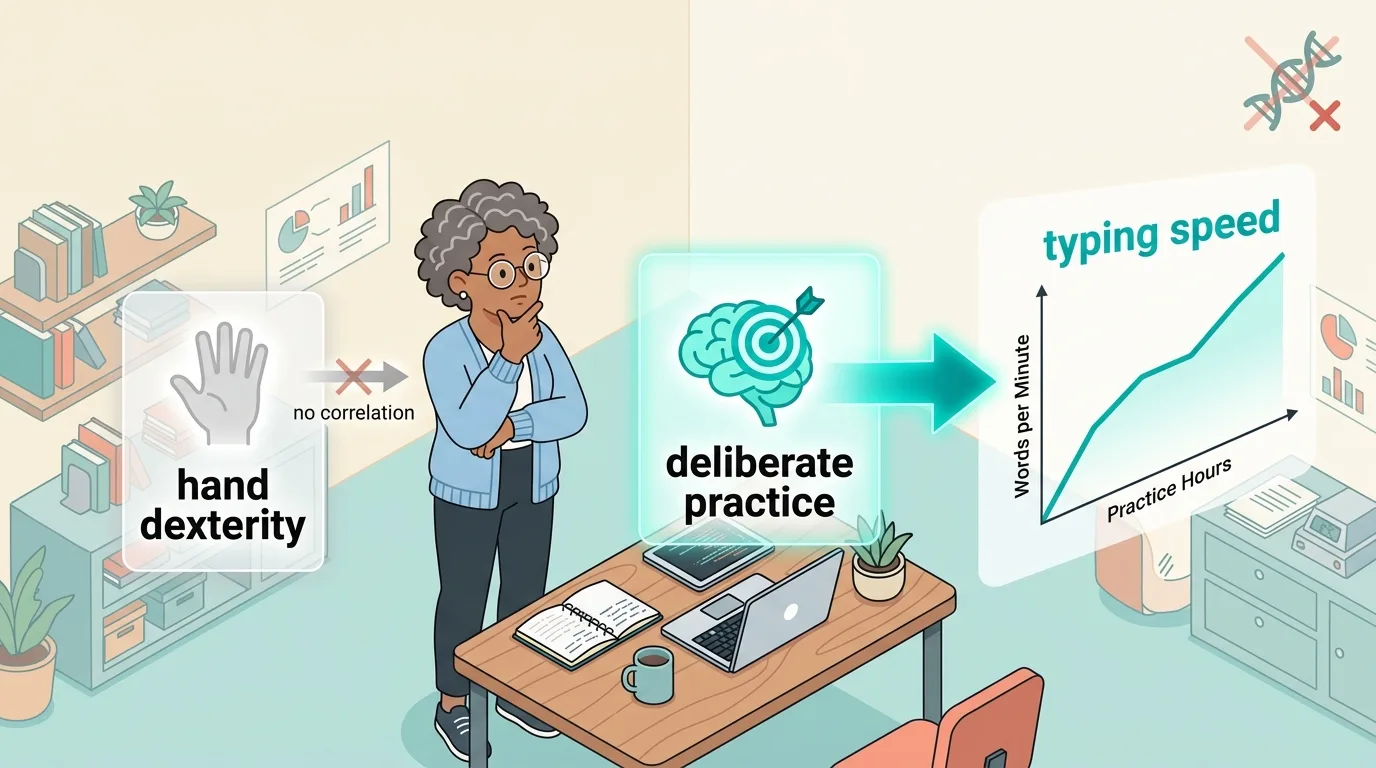 Is There Such a Thing as Natural Typing Talent?If you've ever watched someone type without even looking and assumed they were just born with it, two independent studies say otherwise. Here's what actually predicts typing speed - and it isn't your hands.
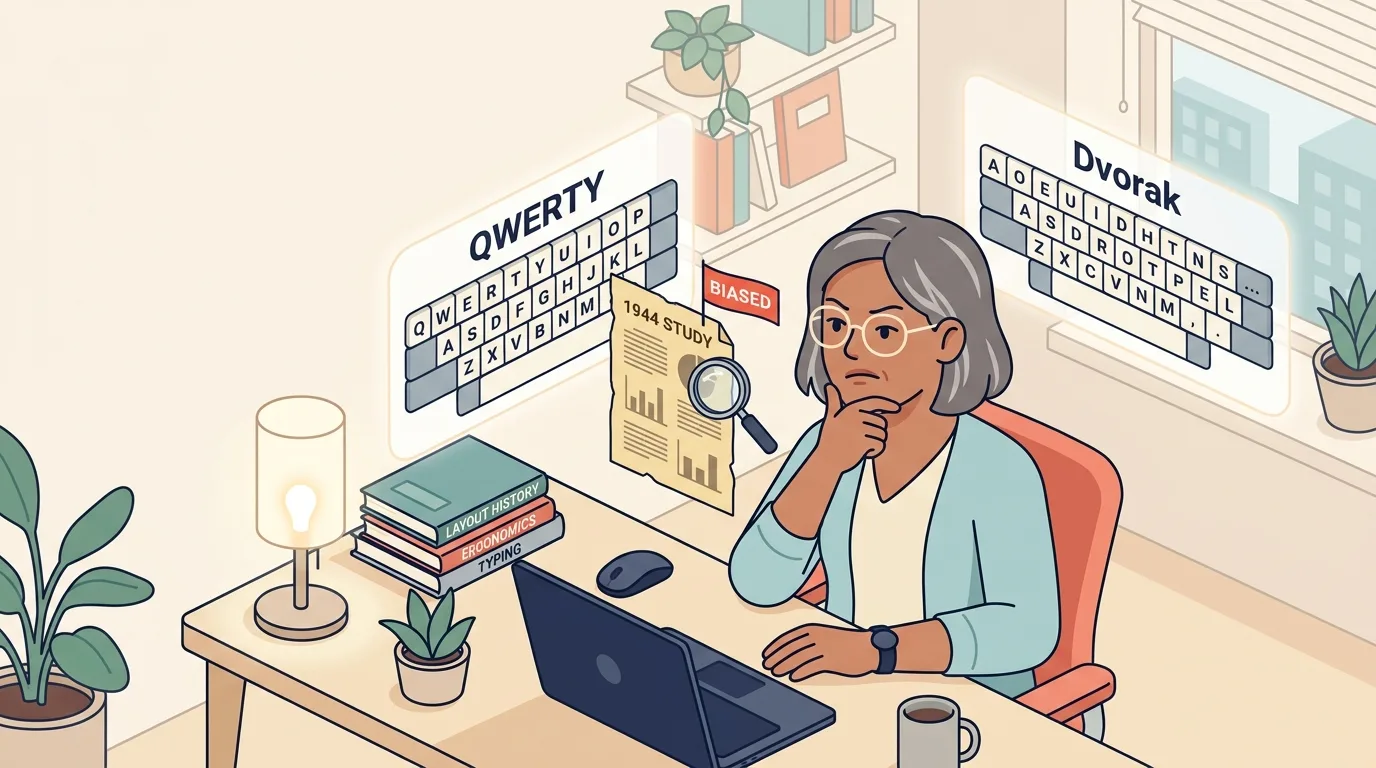 Dvorak vs QWERTY: Is Switching Worth It If You Already Type Fast?The claim that Dvorak types faster than QWERTY comes from a 1944 study run by the man who patented Dvorak. Here's what happened when an independent government study checked his math - and what real people who switched actually report.
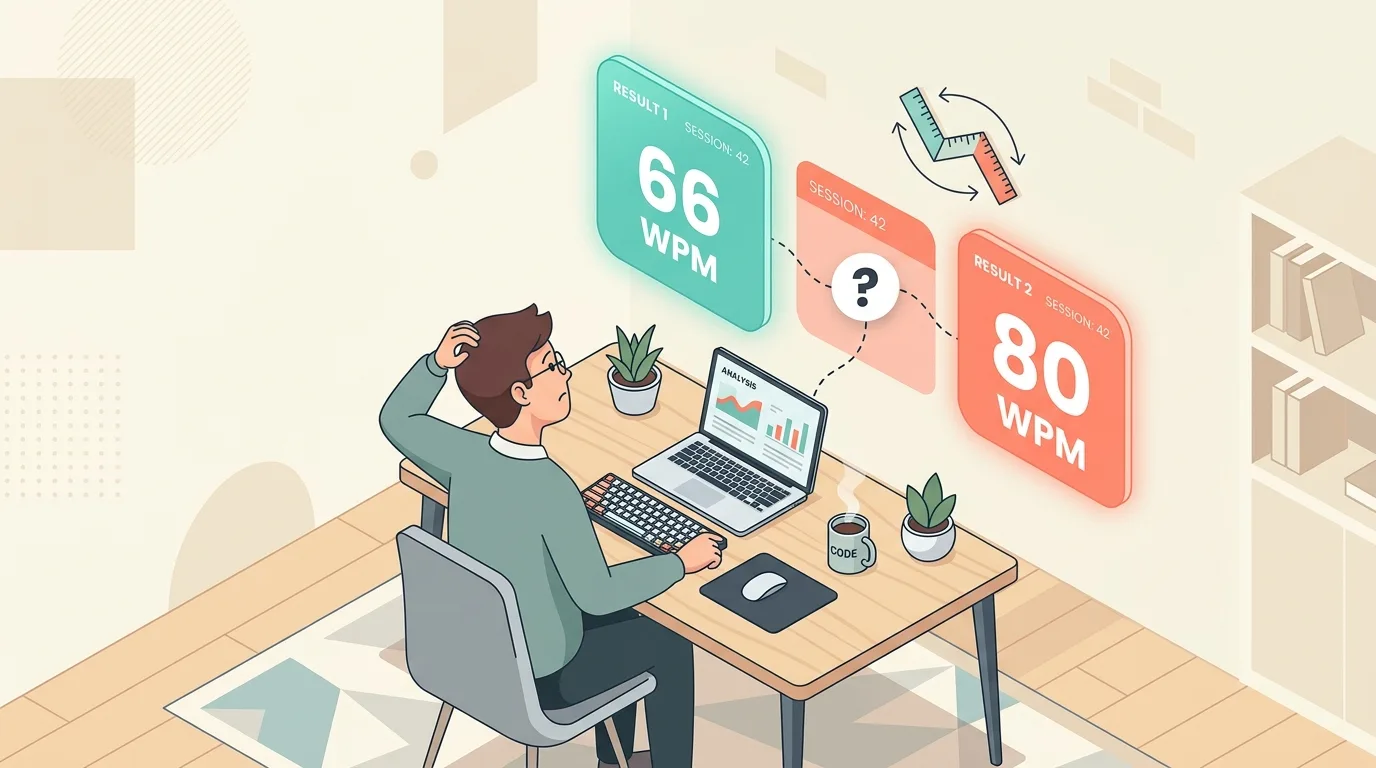 Why Your Typing Test Score Changes Every Time You Take OneScore 80 on one typing test and 60 on another? Your fingers didn't change - the math behind the number did. Here's what a typing test actually measures, why different sites disagree, and how to read your own score honestly.
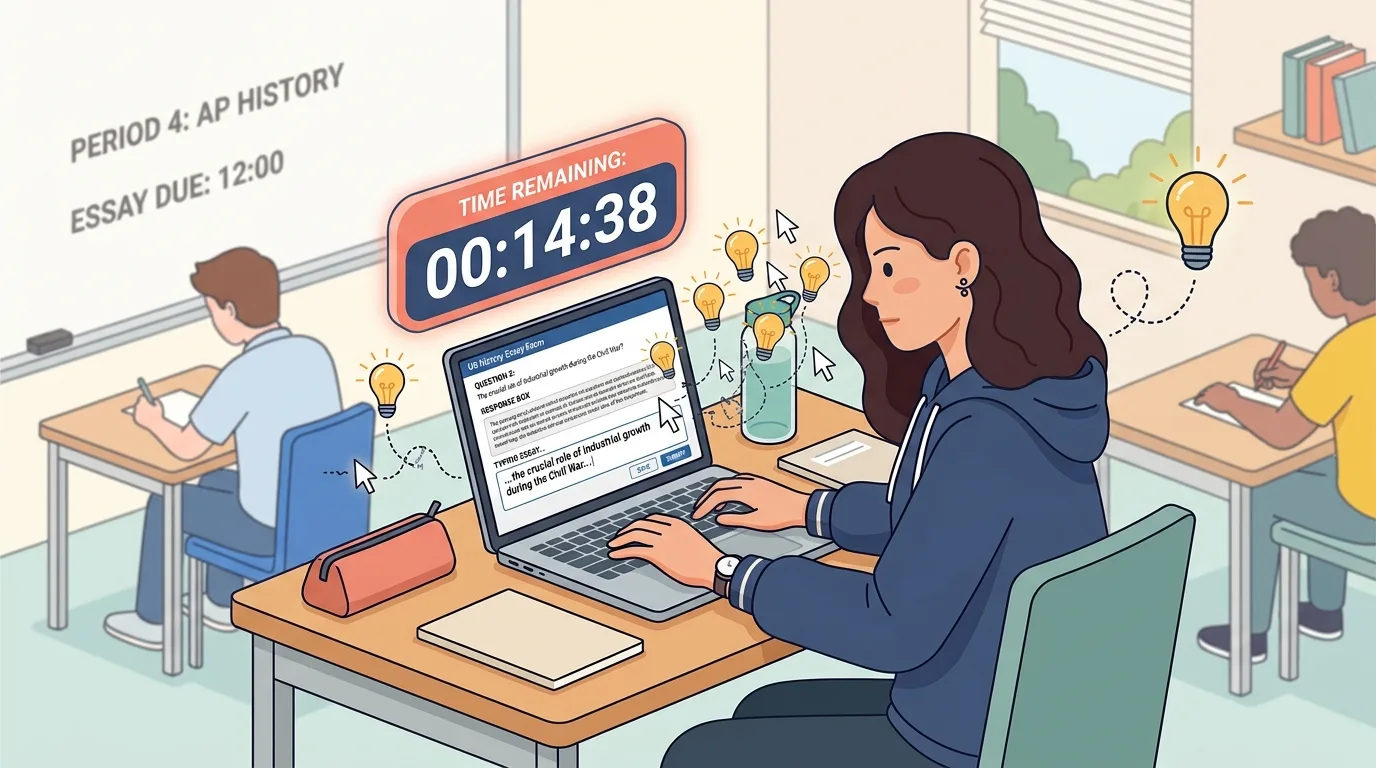 How Fast You Need to Type for Your 2026 AP Exam EssayMost AP exams are now typed, not handwritten, and the clock does not care how well you know the material. This guide walks through how much of your essay time actually goes to typing, how to work out your own target speed, and a practice plan for the weeks before exam day.
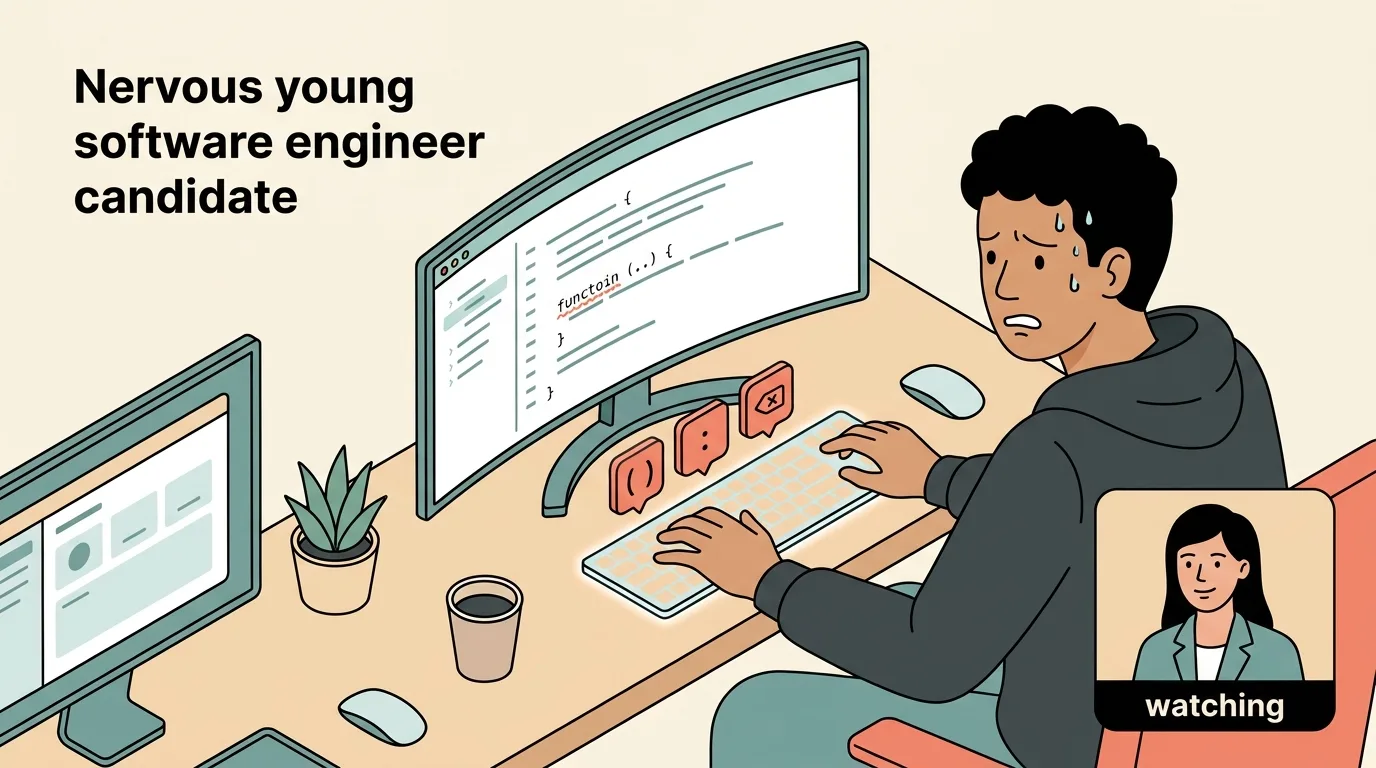 How to Practice Typing Before a Live Coding InterviewA typo during a live coding interview is not the same as a typo at your desk - someone is watching it happen, and it can end up in the replay. Here is what the research and mock-interview data actually say about typing and interview performance, and a realistic week of practice built around it.
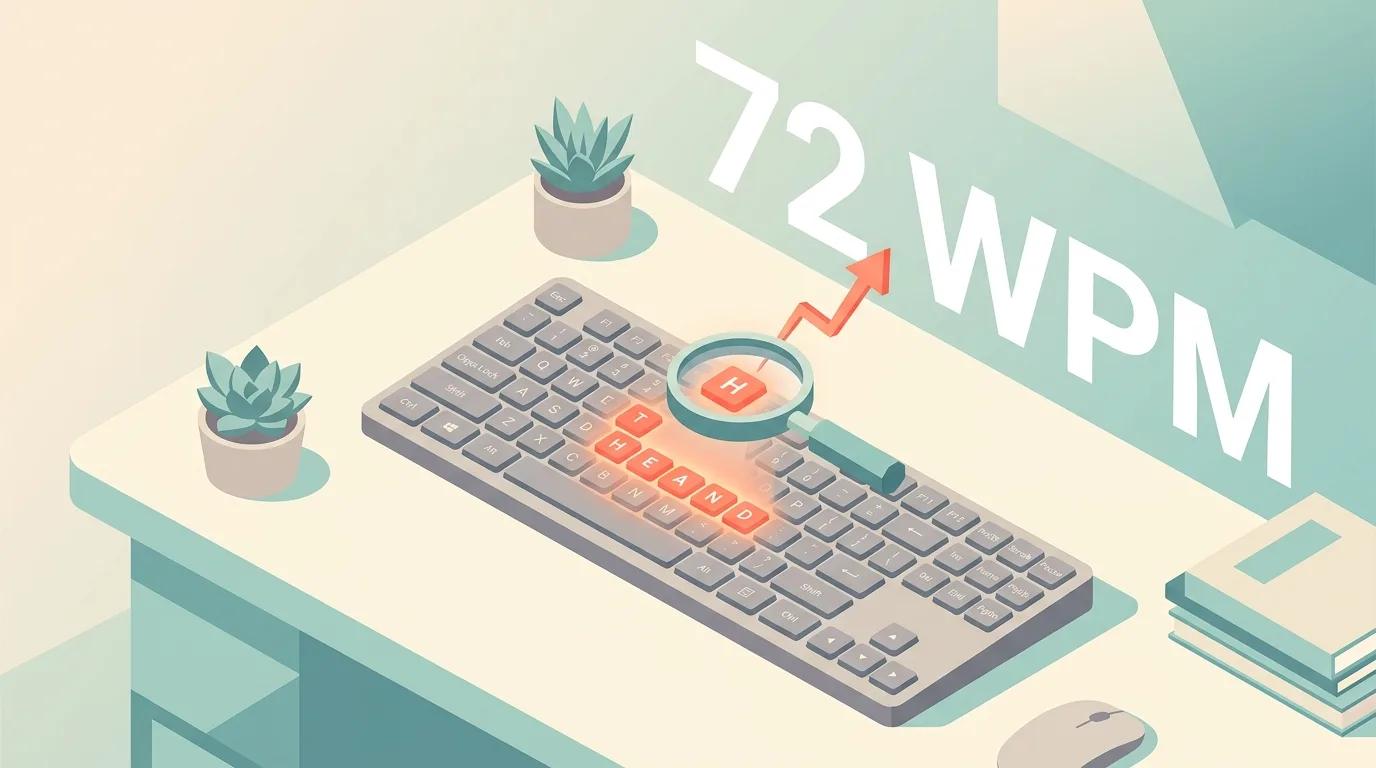 Why Fixing Your Weak Keys Beats More Typing PracticeMost people who quit typing practice are not lazy - their progress was invisible. Here is what the research actually says about why targeted practice on your own weak keys works when generic drills do not, and how to build a realistic first week around it.
 How Much Your Typing Speed Really Improves in a WeekTyping sites love round numbers like 30 WPM in two weeks, with no source behind any of them. Here's what motor-learning research and a 168,000-person keystroke dataset actually say about how much your typing speed improves in the first week.
 Hunt-and-Peck Typing Cost: How Many Hours You Really LoseTyping with two or four fingers while watching the keyboard has a real, calculable cost in hours a year - not just a vague sense that you're slower. Here's a transparent version of that hunt-and-peck typing cost calculation, and why a popular typing calculator gives you a different number.
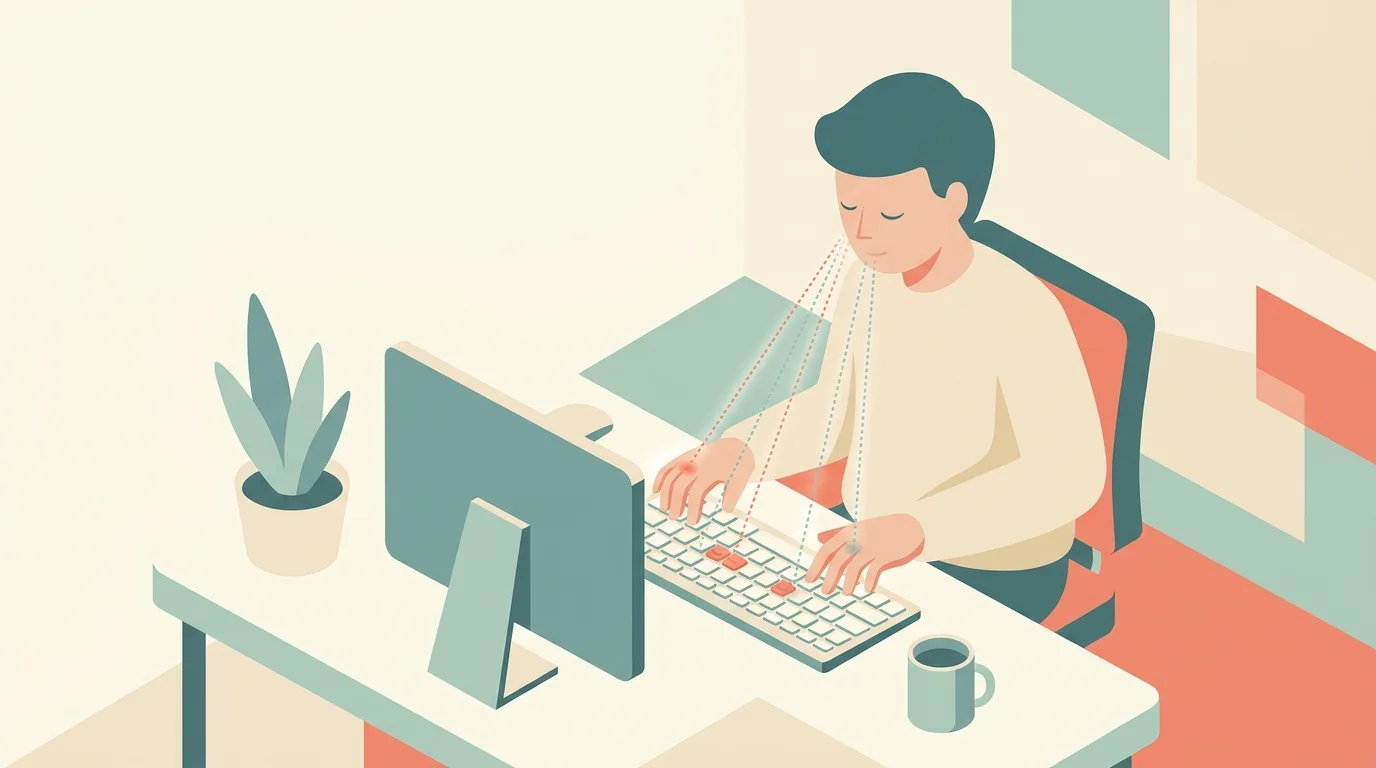 Touch Typing Without Looking at the Keyboard: Why It's HardMost pages promise you'll stop looking at the keyboard in 2-4 weeks, with no source for that number anywhere. Here's the actual mechanism behind typing without looking, drawn from real keyboard research, and a realistic picture of how long it takes.
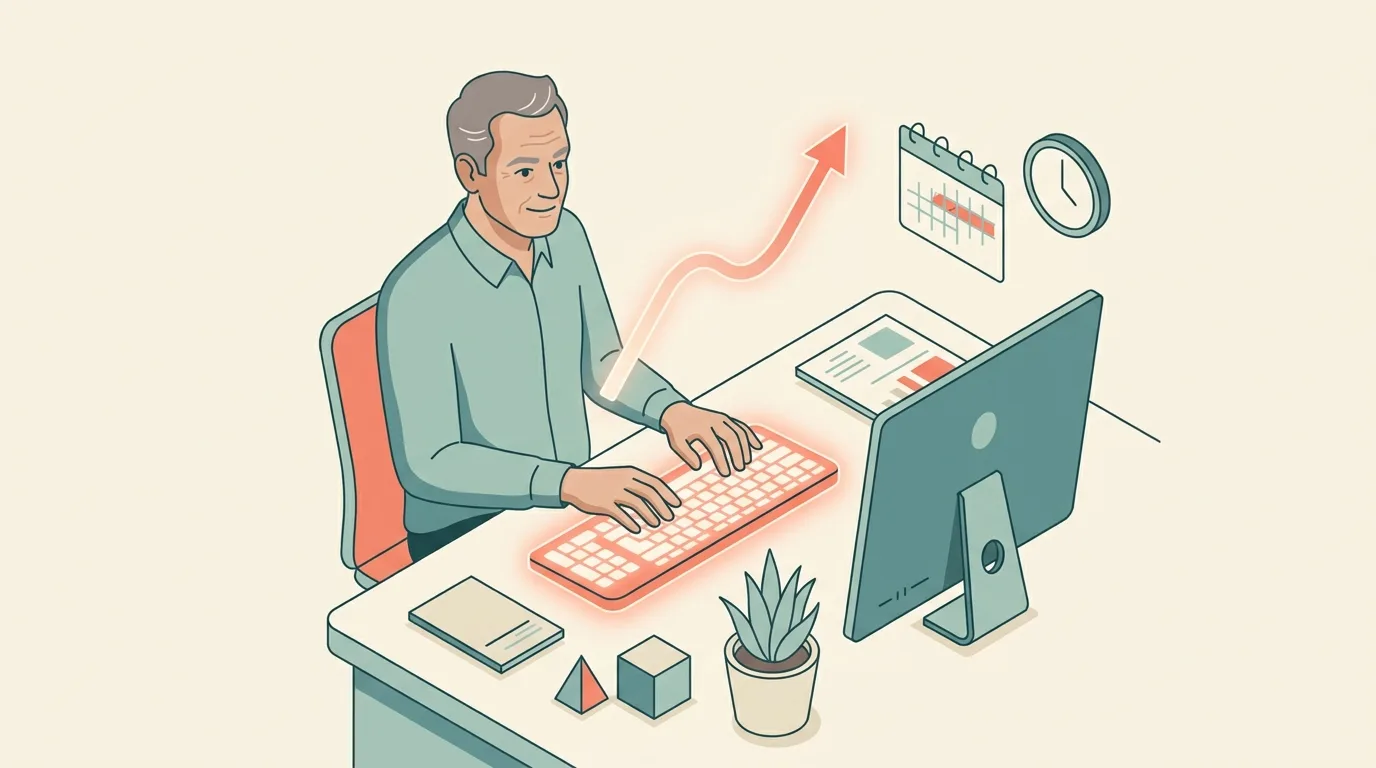 Is It Too Old to Learn Touch Typing at 40, 50, or 60?Is it too old to learn touch typing at 40, 50, or 60? A 10,613-person study shows speed does decline with age, but not the way most people assume. Here is the actual curve, and what to do about it starting today.
Pronto a scrivere senza guardare?
È gratis, funziona nel browser e la prima lezione dura due minuti.
Inizia gratis